![]() |
Britain and the European UnionThis page covers developments concerning nuclear weapons and other weapons of mass destruction in Britain and the European Union. British PolicyLatest News
Proliferation in ParliamentA selection of questions and debates on nuclear and missile defence issues from the UK Parliament. March - July 2008
Previous editions of Proliferation in Parliament are available at www.acronym.org.uk/parliament. Nuclear Non-Proliferation NewsA digest of UK and international news stories relevant to UK and NATO nuclear weapons issues. Edition 7, 12 June 2008
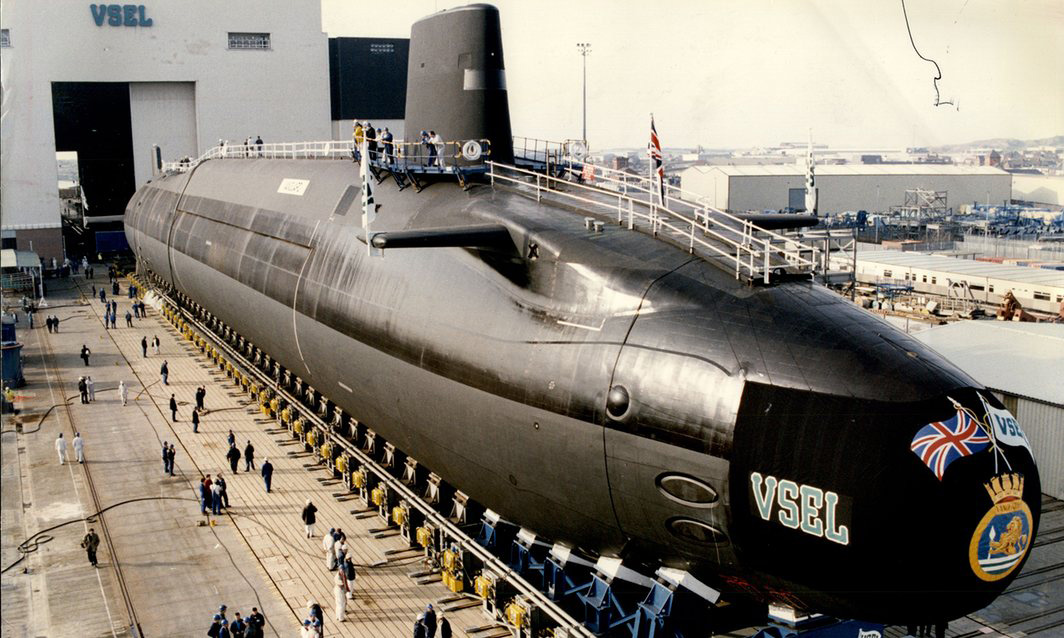
Previous editions of Nuclear Non-Proliferation News are available at: www.acronym.org.uk/news. UK Defence Secretary Speech to the Conference on Disarmament, February 2008Secretary of State for Defence Des Browne has renewed the UK Government's commitment to "have a world free of nuclear weapons" and proposed to "host a conference for technical experts from all five recognised nuclear states, to develop technologies for nuclear disarmament". Browne's speech to the Conference on Disarmament draws on then Secretary of State for Foreign & Commonwealth Affairs Margaret Beckett's speech in June 2007 calling for a World Free of Nuclear Weapons. BackgroundOn March 14, 2007, the UK Parliament had its first debate and vote on renewal of Britain's nuclear weapon system, Trident. Whilst Tony Blair's government won the vote, it was forced to rely on the support of the Conservatives. Despite this 88 Labour MPs voted against the motion and the government was forced to make important concessions on future parliamentary scrutiny and decision-making on Trident. In response to a proposed amendment from former Labour Minister John Denham MP, Blair was forced to confirm that "... it is always open to us to come back and look at these issues. He [Denham] is right to suggest that when we get to the gateway stage-between 2012 and 2014-when we let the main contracts for design and construction, it will always be open to Parliament to take a decision." Foreign Secretary Margaret Beckett also specified, "Further decisions will in any case be needed on the precise design of the submarines, on whether we need four or three, on whether to renew or replace the warhead, and on whether to participate in any American programme to develop a successor to the D5 missile... As I have said, this Government will ensure that there are regular reports to Parliament as the programme proceeds, and we will give the Select Committee our full co-operation as it maintains its regular scrutiny of these issues." Acronym Institute Analysis and Reporting on the Trident Vote
For more information on the UK's Vote and the Government White Paper on Trident see the Acronym Insitute's webpage on Trident . See also: previous Acronym Institute Coverage of UK Nuclear Policy. European UnionFor coverage of negotiations between the EU3 and Iran, see our Iran page at: http://www.acronym.org.uk/wmd/index.htm#iran. Europe's Space Policies and their relevance to the EU's Security and Defence Policy (ESDP), 2006The following study, written by Rebecca Johnson on behalf of the Acronym Institute and ISIS-Europe, with research assistance from Stephen Pullinger and Aline Dewaele, was commissioned in 2006 by the European Parliament Directorate-General for External Policies of the Union. "The study analyses Europe's space programmes and argues for an effective European Space Policy to manage the civil-military interface and national-regional interests to enable Europe to benefit from a more effective coordination of technologies and assets for the purpose of enhancing European and international security, while preventing destabilising developments, such as the testing, deployment or use of anti-satellite weapons or weapons in and from space.
Articles and Publications
EU Strategy against Proliferation of Weapons of Mass Destruction
© 2007 The Acronym Institute. |